It doesn’t take much. A bad step. A loose shingle. An unstable ladder.
Whether you’re a roofer, insurance adjuster, home inspector, homeowner, or anyone else accessing a roof, the risk is real. A roof may look “walkable,” but steep pitch, loose debris, brittle shingles, wet surfaces, and unstable ladders can quickly turn a routine inspection into a serious fall.
For professional roofers, it’s part of the job. For everyone else, it may only happen occasionally. But the danger is the same.
Roofing remains one of the deadliest occupations in America, and falls continue to be the leading cause of serious injury and death. The good news? Many roof falls are preventable with better planning, better equipment, and better habits.
This guide breaks down the most common roof hazards, what OSHA requires for companies, and what tools can help make sloped roof access safer, even when they aren’t legally required.
Roofing Is Still One of America’s Deadliest Jobs
Roofing consistently ranks among the most dangerous trades in the country. In 2023, the industry recorded 134 workplace fatalities, and 110 of those involved falls, slips, or trips. That means more than 80% of roofing deaths were fall-related.
Fatalities are only part of the story. Thousands more roofers suffer serious injuries every year, including broken bones, concussions, spinal injuries, torn ligaments, severe cuts, and permanent disabilities.
Many of these injuries happen during tasks that seem routine, like measuring a roof, checking storm damage, inspecting flashing, cleaning gutters, or looking for leaks. The truth is simple: anyone accessing a roof is at risk of a serious injury.
The Most Common Causes of Roof Falls
Most falls are predictable. They typically happen because of one or more of the following conditions.
Loose granules. Asphalt shingles naturally shed granules, which creates a slippery surface underfoot.
Wet surfaces. Rain, dew, frost, algae, and moss can dramatically reduce traction.
Steep pitch. The steeper the roof, the less forgiving it becomes. A 4:12 roof might feel manageable; an 8:12 or 12:12 is a completely different experience.
Improper ladder setup. A large share of falls happen while climbing up or down. Common culprits include the wrong ladder angle, unstable footing, an unsecured top, overreaching, and damaged ladder feet.
Complacency. Experience helps, but it can also breed overconfidence. Many seasoned roofers have been injured after “just hopping up for a minute.”
What OSHA Requires for Roofing Work
OSHA sets the legal minimum safety standards for roofing contractors and their employees. The central rule is the six-foot rule: if a worker is exposed to an unprotected edge six feet or more above a lower level, fall protection is generally required. In practice, that means guardrails, safety nets, or personal fall arrest systems such as harnesses, lanyards, and anchors. For steep-slope roofing, harnesses are usually the most practical option.
OSHA also requires that ladders extend at least three feet above the roof edge, along with ladder safety training, hazard recognition training, and proper anchor systems when they’re used. These rules are the baseline. Safe roof access, however, often goes beyond minimum compliance.
Important: Not Every Roof Visit Requires OSHA Fall Protection
This is where a lot of people get confused. Not everyone walking on a roof is performing “construction work” in OSHA’s eyes. The agency has exemptions for certain inspection-related activities, including roofing estimates, insurance inspections, home inspections, pre-job assessments, and post-job walkthroughs. That means estimators, adjusters, and inspectors may not always be legally required to wear a harness. Homeowners, of course, aren’t governed by OSHA at all.
None of that makes the roof any safer. A “walkable” roof can still be slippery, steep, brittle, or unstable. So even when fall protection isn’t legally required, added safety measures can still make a real difference.
Roofing Footwear: Increasing Traction
The right footwear can dramatically improve traction.
Regular boots often aren’t enough.
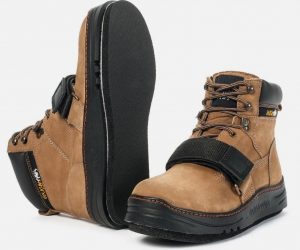
Cougar Paws are the long-time industry standard, best suited for asphalt shingles, metal roofs, steep-slope work, and extended roof access. Their replaceable traction pads for asphalt shingles are a favorite among roofers and inspectors, and their magnetic-sole line improves grip on steel roofs.
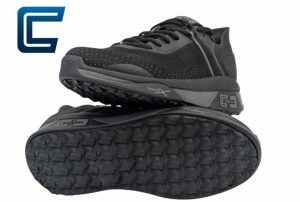
Contra Footwear is a lighter, more athletic alternative with interchangeable pads for shingle, metal, and general use. It’s a newer company still expanding its product line, and it’s well suited to inspections, adjusters, multi-surface access, and lighter roof work, with a focus on mobility and comfort.
Roof Positioning and Steep Roof Access Tools
These products improve stability, comfort, and positioning.
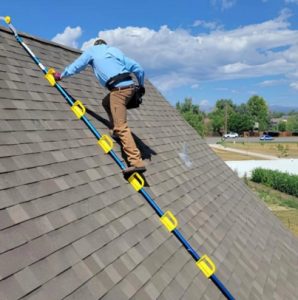
Goat Steep Assist is built specifically for steep roofs. It helps users climb and position themselves more securely while reducing fatigue, making it valuable for steep tear-offs, inspections, underlayment installs, and high-pitch roof work.
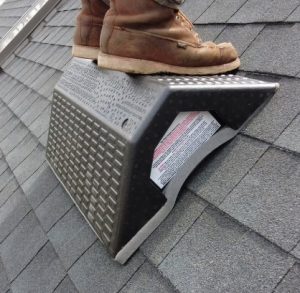
Pitch Hopper is a lightweight roof platform that creates a stable working surface for kneeling, standing, or positioning, while also protecting the finished roofing surface.
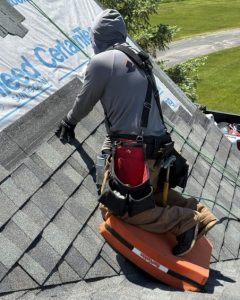
Roof Cushion is a portable, padded work surface that reduces knee fatigue and improves stability. Think of it as a higher-quality, more professional alternative to the old yellow couch cushion. It’s especially useful for extended inspections and repair or installation work.
A Simple Field Trick: Foam Cushions for Extra Grip
Long before purpose-built roof cushions became popular, many roofers used a simple trick: carrying a basic couch cushion, foam pad, or scrap of foam onto an asphalt shingle roof. Sitting, kneeling, or even standing on foam increases friction against the shingles and helps reduce sliding, especially on steeper slopes. It also reduces knee fatigue, improves comfort during inspections, creates a temporary resting position, and helps stabilize your body while working.
This shouldn’t replace proper safety equipment, but it remains a practical, low-cost method many experienced roofers still rely on.
Ladder Safety: Where Many Falls Begin
A lot of roof accidents start at the ladder. A good ladder setup matters just as much as what happens once you’re on the roof.
Ladder stabilizers and stand-offs widen the contact point and improve stability, which protects gutters and helps prevent ladder movement.
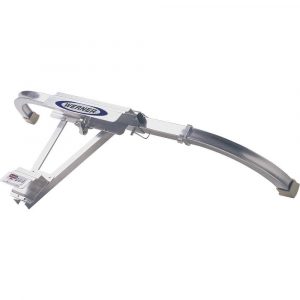
Known for ladder stabilizers and stand-offs.
Louisville Ladder
Offers heavy-duty roof access accessories.
Little Giant Ladder Systems
Popular among inspectors and maintenance crews.
Ladder Locking Systems
For added security:
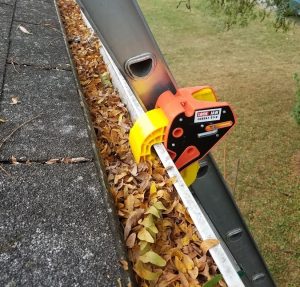
LockJaw Ladder Grip helps lock the ladder to the gutter and reduce movement — useful for inspections, gutter cleaning, and maintenance, and compatible with K-gutter and half-round gutters.
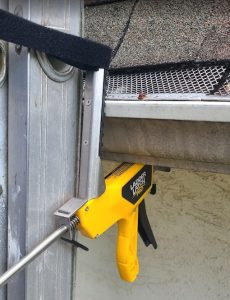
Ladder Latch Pro adds four points of contact and lateral stability, and works on K-gutters with or without gutter guards.
Harnesses and Roof Anchors
Even when not required, a harness can be one of the smartest safety decisions you make, especially on steep or unpredictable roofs. Reputable brands include Guardian Fall, Malta Dynamics, Tie Down Engineering, and Werner, which offer harness kits, anchors, rope grabs, lifelines, and restraint systems.
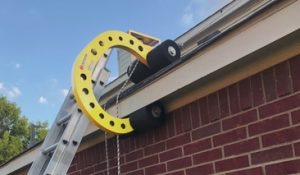
Ballantyne Gear offers one of the most innovative non-penetrating fall protection systems available. Its Eveook system provides fall protection without fasteners penetrating the roof, making it especially valuable for metal, tile, slate, and other premium finished roofing systems. It’s reusable, lightweight, non-penetrating, and capable of supporting multiple workers. This is a strong option for crews who want fall protection without damaging the roof.
Specialized Clothing for Added Grip
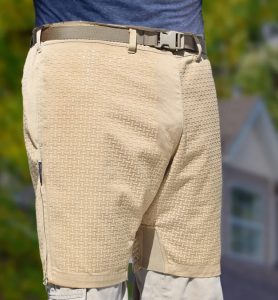
Steep Gear makes grip shorts and pants designed specifically for roofing, along with gloves. They’re helpful on shingle, metal, and tile roofs and steep slopes, and they can help slow a slide and improve body control.
Heat and Weather Matter Too
Falls aren’t the only risk on a roof. Surfaces can become dangerously hot, and weather hazards like rain, frost, wind, hail, lightning, and extreme heat all add danger. Stay hydrated, avoid wet roofs, monitor the weather, take shade breaks, and watch for signs of heat exhaustion. Conditions can change fast.
Safer Alternatives to Walking a Roof
Sometimes the safest roof is the one you don’t climb. Drones with high-resolution photo and video are great for storm inspections, difficult access, and steep roofs. Aerial and satellite measurement reports are useful for measurements, slope data, and damage assessments. Binoculars and zoom photography can also do the job. Sometimes these tools are all you need.
Roof Safety Checklist Before You Climb
Before stepping on a roof, ask yourself:
- Is the ladder secure?
- Is the roof dry and the deck stable?
- Is debris cleared?
- Are your shoes designed for roof traction?
- Is the pitch manageable?
- Is someone aware you’re up there?
- Is there a safer alternative?
- Do you have an emergency plan?
If any answer feels uncertain, stop and reassess.
Frequently Asked Questions
Do you need a harness to inspect a roof? Not always. OSHA may exempt certain inspections and assessments, but additional safety gear is still a good idea.
What shoes are best for walking on a roof? Specialized roof shoes like Cougar Paws and Contra provide better traction than regular boots.
What is the safest way to access a steep roof? Use proper footwear, secure ladder access, positioning tools, and fall protection when needed.
Are ladder stabilizers worth it? Yes. They significantly improve ladder stability and reduce side-to-side movement.
Can homeowners safely inspect their own roof? Sometimes. Drones, binoculars, zoom cameras, and high-quality cell phone photos can often reduce or eliminate the need to climb.
Final Thoughts
Roof access will never be completely risk-free, but most falls are preventable. Whether you’re installing shingles, inspecting storm damage, writing an estimate, cleaning gutters, or checking for leaks, safety should always come first.
OSHA sets the legal baseline for contractors, but smart roof safety goes beyond compliance. Better footwear, better ladder setup, better positioning tools, and better planning may seem like small things, until they’re the reason you make it back down safely.